```The legal proceedings against Luigi Mangione, charged in connection with the high-profile shooting death of UnitedHealthcare CEO Brian Thompson in New York City, continue to unfold, bringing various aspects of the justice system into the spotlight. Among the recent developments is a significant motion filed by Mangione's legal team that delves into fundamental questions about a defendant's appearance in court and the potential for prejudice.
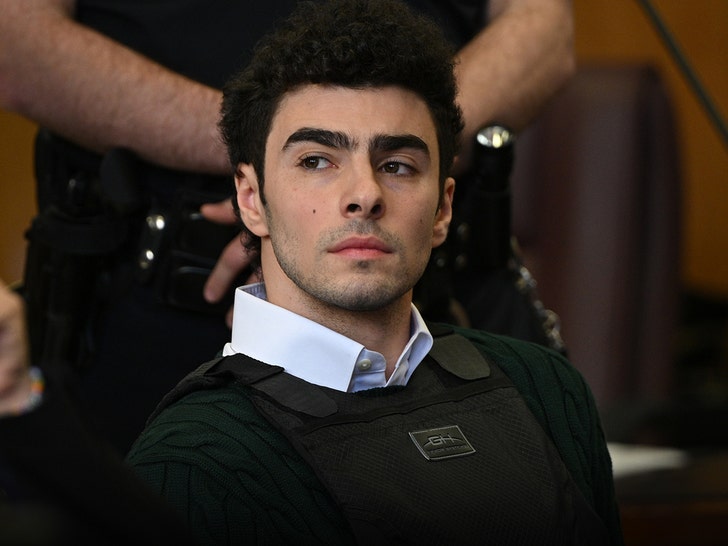
Mangione's attorneys have formally requested that their client be permitted to appear in court for future proceedings free from physical restraints, allowed to wear civilian clothing rather than a prison uniform, and exempted from wearing a bulletproof vest. This request, outlined in a letter sent to the presiding judge, is grounded in well-established legal principles aimed at ensuring a fair trial.
At the heart of this request lies the presumption of innocence, a cornerstone of the American legal system. This principle dictates that any individual accused of a crime is considered innocent until proven guilty beyond a reasonable doubt. The defense argues that keeping a defendant visibly shackled, dressed in prison garb, or wearing a bulletproof vest in the courtroom inherently undermines this presumption in the eyes of the jury or anyone observing the proceedings.
Such visible indicators of custody or perceived dangerousness can, even subtly, suggest guilt or a dangerous propensity to those who are tasked with impartially evaluating the evidence. Legal precedent has long recognized the potential for prejudice caused by the unnecessary use of physical restraints on a defendant during trial. The Supreme Court has held that defendants have a constitutional right to be free from visible restraints in the courtroom unless the use of such restraints is justified by an essential state interest, such as physical security, escape prevention, or maintaining order.
The defense contends that none of these essential state interests necessitate Mangione's continued shackling, prison attire, or the wearing of a bulletproof vest. They assert that their client has maintained a record of being a model prisoner since his apprehension in December. This claim is a direct challenge to any potential argument from the prosecution or court security that Mangione poses a significant risk of flight or violence within the confines of the courtroom.
Presenting a defendant in chains or a prison uniform can create a powerful and negative visual impression that is difficult for jurors to ignore. It can suggest to them that the defendant is already deemed dangerous by the authorities, which could improperly influence their assessment of the evidence related to the charges themselves. The legal team argues that allowing Mangione to appear in civilian clothing would help to present him to the court and potential jurors as an individual, not merely an inmate, thereby reinforcing the idea that he is entitled to the same rights and presumptions as any other citizen.
The Argument Against Visible Restraints and Prison Attire
The legal arguments against presenting a defendant in visible restraints or prison attire are multifaceted and deeply rooted in constitutional law, primarily focusing on the defendant's rights to due process and a fair trial. The Fifth and Fourteenth Amendments to the United States Constitution guarantee due process of law, which includes the right to a fair and impartial trial.
Visible restraints, such as handcuffs or leg irons, can impair a defendant's ability to consult effectively with their legal counsel during trial. This is a crucial aspect of the right to counsel and the ability to present a defense. A defendant who is physically restrained may feel inhibited in communicating freely or passing notes to their attorney, potentially hindering their active participation in their own defense.
Furthermore, the psychological impact of being shackled or in prison clothing in front of a judge and jury can be significant. It can be humiliating and can affect the defendant's demeanor, potentially making them appear less composed or confident, which a jury might misinterpret as indifference or guilt.
The request to wear civilian clothes addresses a similar concern regarding prejudice. Mandating that a defendant wear a prison jumpsuit throughout proceedings visually marks them as incarcerated and associated with a criminal status before a verdict is reached. This practice was largely curtailed by legal rulings recognizing its prejudicial effect. Allowing appropriate civilian attire is seen as a way to level the playing field and allow the jury to focus on the evidence presented in court, rather than being influenced by the defendant's custodial status.
The bulletproof vest request adds another layer to the defense's argument about perceived dangerousness. While a vest is intended for safety, requiring a defendant to wear one in court sends a strong, albeit perhaps unintended, message that the individual is either in extreme danger from others (which might imply connections to dangerous activities) or is considered so volatile that protection is necessary even within the secured environment of a courtroom. The defense argues this visual cue, much like shackles and prison clothing, can improperly contribute to a narrative of dangerousness or guilt in the minds of those deciding the case.
Navigating the High-Profile Nature of the Case
The defense highlights the high-profile nature of the Luigi Mangione case as a specific reason why the requested measures are particularly important here. Cases that attract significant media attention mean that images and descriptions of the defendant in court are widely disseminated. If Mangione is consistently shown in news reports wearing shackles, a prison uniform, or a bulletproof vest, this visual representation could significantly and unduly influence the vast pool of potential jurors even before jury selection begins.
The argument is that this pervasive media exposure to images of a restrained or incarcerated-looking defendant could create a strong preconceived notion of guilt or dangerousness in the public consciousness. This makes the challenge of selecting an impartial jury even more difficult and increases the risk that the eventual jury will be influenced by these visual cues, regardless of the evidence presented during the trial.
The defense's point is that while pretrial media coverage is unavoidable in a case of this magnitude, the court should not exacerbate the potential for prejudice by mandating an appearance that visually reinforces a status of dangerousness or guilt prior to conviction. Allowing Mangione to appear without these trappings would, in the defense's view, be a step towards mitigating the potentially harmful effects of pretrial publicity and upholding the principle that a defendant's guilt must be proven through evidence in court, not presumed based on their appearance or custody status.
Judicial Discretion and Balancing Interests
While the defendant has a right to be free from unnecessary restraints, the court also has a paramount duty to ensure the safety and security of everyone in the courtroom – including the judge, court staff, jurors, attorneys, witnesses, and the public. The decision of whether to allow a defendant to appear without shackles or in civilian clothes rests with the discretion of the presiding judge.
Judges weigh various factors when considering such requests. These can include the nature of the charges against the defendant (while not proof of guilt, the severity and nature, e.g., violent offenses, can be considered for security), the defendant's past behavior and criminal history (specifically related to violence, escape attempts, or disruption), their behavior while in custody, the security measures already in place in the courtroom, and any specific threats or security concerns identified by law enforcement or court security personnel.
In the Mangione case, the defense proactively addresses these concerns by asserting that their client has been a model prisoner since his detention in December. They are essentially presenting evidence of his good behavior while incarcerated to demonstrate that the standard justifications for imposing physical restraints or requiring prison attire – namely, preventing escape or violence – do not apply in his specific circumstances. This puts the onus on the prosecution or the court to demonstrate a specific, compelling need for the requested security measures that outweighs the potential for prejudice.
The judge will likely consider arguments from both the defense and the prosecution, potentially holding a hearing where evidence or arguments regarding security risks and the defendant's behavior can be presented. The court's decision will balance the defendant's constitutional right to a fair trial free from prejudicial visual cues against the legitimate need to maintain order and safety in the courtroom.
The Broader Implications for Fair Trial Principles
This motion by Luigi Mangione's legal team is not an unusual maneuver in the context of criminal defense, especially in serious or high-profile cases. It is a routine part of defending an accused individual to challenge any aspect of the proceedings that could unfairly influence the outcome. The requests regarding shackles, clothing, and vests are standard components of ensuring that the defendant receives a fair shake.
The principle that a defendant should not be unnecessarily presented in a manner that suggests guilt or dangerousness is a vital safeguard against wrongful convictions and ensures that the jury's focus remains squarely on the evidence and the legal standards. It reinforces the idea that the state must prove its case without relying on visual tactics that could sway jurors before the first witness even testifies.
The fact that the trial is not expected to begin until at least next year means that pretrial appearances, such as arraignments, status conferences, and motion hearings, will continue. The defense is keen to ensure that during these public appearances, especially those covered by the media, Mangione is not visually tagged in a way that harms his defense later on. The argument about pretrial influence on the jury pool through media coverage is a significant one in the context of modern communication.
Ultimately, the judge's decision on this motion will be a ruling on how the court balances security needs with the defendant's fundamental rights to due process and a fair trial. It will be a reflection of the court's assessment of the actual risk posed by the defendant in the courtroom setting, as argued by both sides, versus the potential for visual prejudice.
The legal team, led by Karen Friedman Agnifilo, is employing a strategy focused on presenting Luigi Mangione not as a confirmed criminal, but as an individual presumed innocent, facing serious charges but entitled to all constitutional protections. Their efforts to change his courtroom appearance from that of a typical inmate to a defendant in civilian attire, free from restraints and perceived threats like a bulletproof vest, are a direct application of these fundamental rights.
As the case progresses, further legal maneuvers addressing evidence, trial procedures, and potential challenges to the charges themselves are anticipated. However, this specific motion regarding courtroom appearance highlights a critical element of the justice system: the need to ensure that the process itself does not inadvertently pre-judge the accused, thereby compromising the integrity and fairness of the trial that will ultimately determine Luigi Mangione's fate.